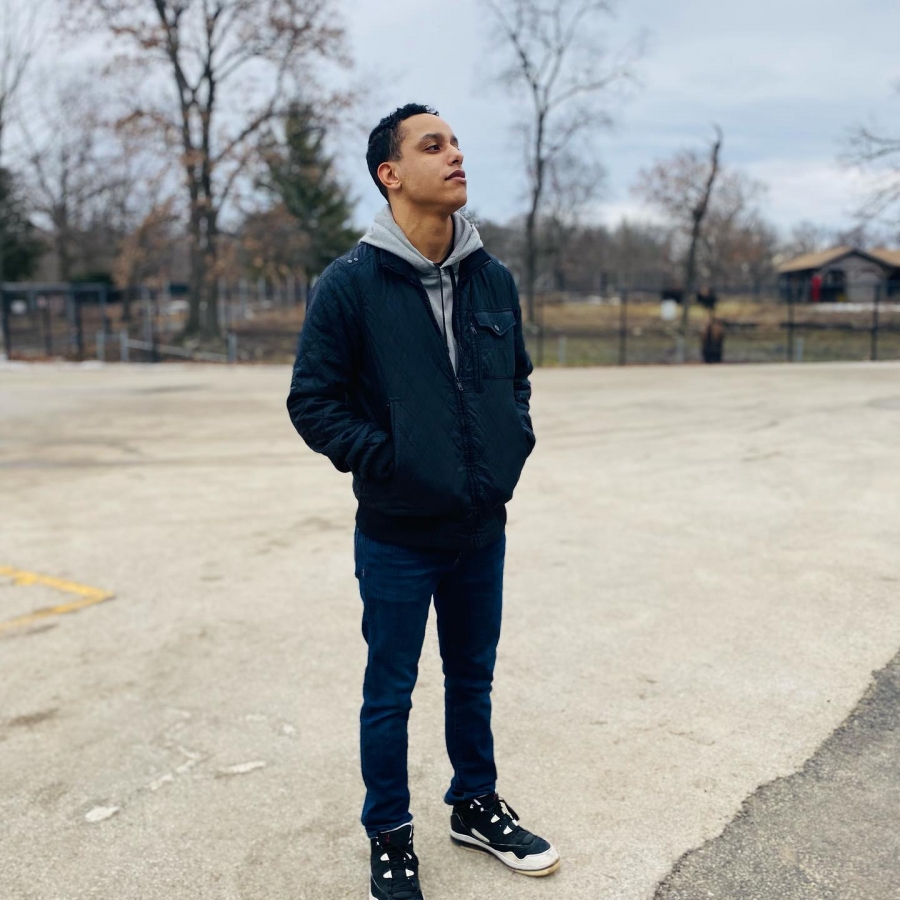
Elgin native Nehemiah Heckler has released a new single called "All I Want". This is his second single of 2022 and on this track he enlisted the help of Adam Wilson.
Chicago
Posted on:
Ravyn Lenae “M.I.A.”
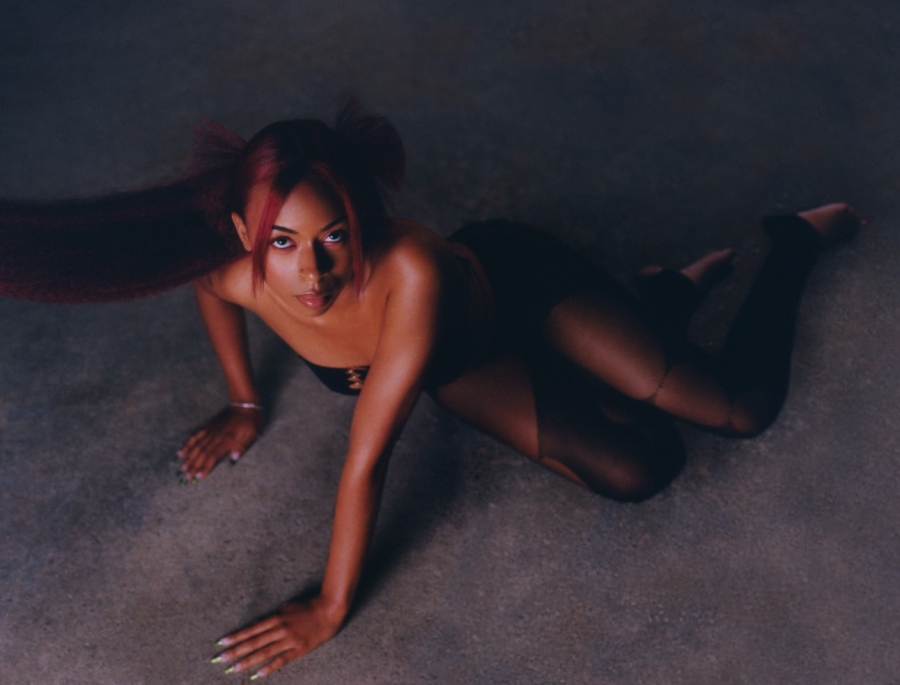
Ravyn Lenae has released the third single, "M.I.A.", from her forthcoming debut full-length album, Hypnos, which is due out on May 20th via Atlantic.
She also announced a Spring tour in support of the album that kicks off in Seattle on May 28th and finds her arriving home for a show at the Metro on June 22nd.
Chicago
Posted on:
OTHERPEACE “Capitalism Blues”
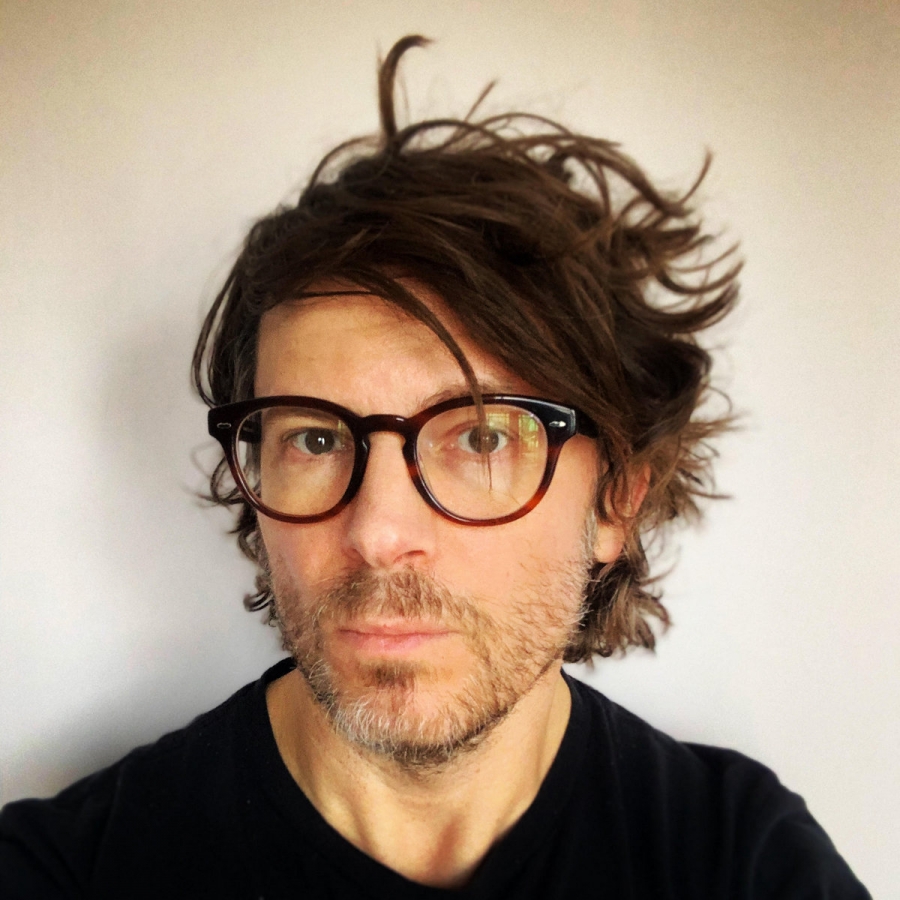
OTHERPEACE recently released his debut full-length album, Capitalism Blues.
These are the Indie Folk sounds of singer and songwriter Matt Clark, an extremely well-known local vet who has been a member groups such as White/Light, Pinebender, Joan of Arc and Love of Everything.
You can catch OTHERPEACE at the Hideout on April 28th with Touched By Ghoul and David Zollo.
Chicago
Posted on:
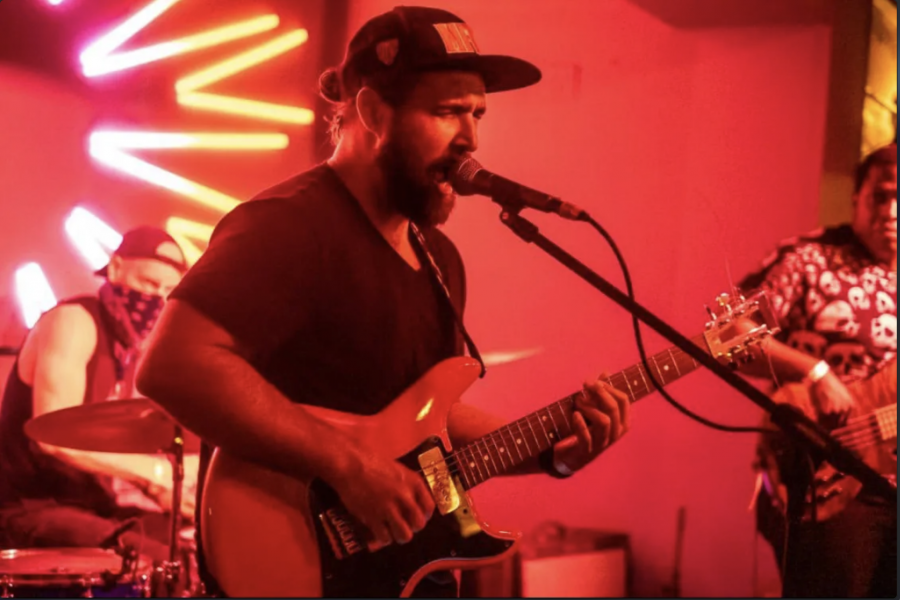
Gabacho @ Cobra Lounge (tonight, April 19th)
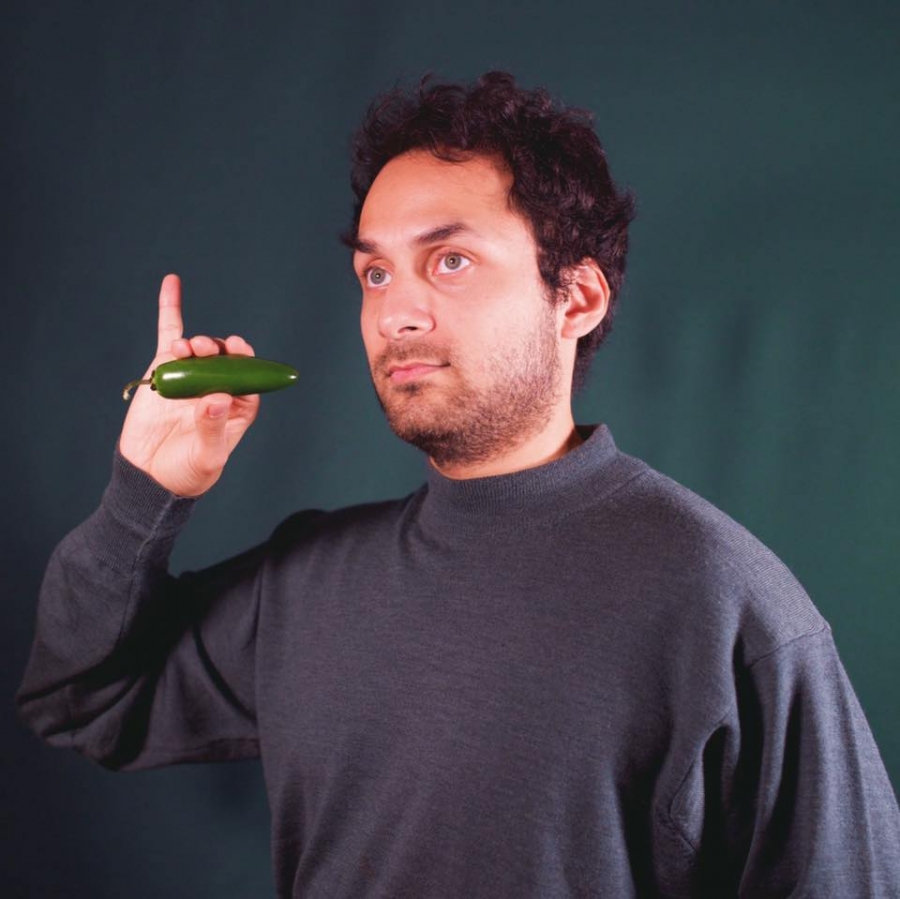
Gabacho recently released a new single called "Sentimiento". The single is accompanied by the Jonathan Lopez directed video below.
This is the blend of Latin Rock and Psych Rock from Siul Reynoso.
You can catch Gabacho tonight, April 19th, at Cobra Lounge with Tropa Magica.
NYC
Posted on:
Phranque adds new chapter to the radical history of the ukulele
photo by Andrew Bisdale
People tend to think of Hawaii as this idyllic laid-back paradise full of hula dancers in grass skirts and coconut bras where everyone get sloshed on Mai Tais nightly at sunset lūʻaus on beaches full of chiseled surfers and letting-it-all-hang-out ukulele strummers where the worst thing you’re likely to face is a cursed Tiki idol that’ll cause you to smash your souvenir ukulele and throw out your back hula dancing before being attacked by a big hairy spider and a spear-wielding Vincent Price archeologist—impressions formed by decades of deliriously kitschy Hawaii-themed pop-culture exotica ranging from Brady Bunch family vacations to Elvis playing the girl-happy scion to a Hawaiian pineapple fortune to Tom Selleck’s garish private dick wardrobe and magnum-sized mustache to an alarming number of cheese-laden rom-coms set on Hawaii half of which star Adam Sandler and Jennifer Aniston.
But hey, don’t get us wrong, we here at The Deli are hardly averse to kitsch (this writer proudly owns an autographed photo with Don Ho!) and could listen to twee-pop ukulele covers of the Misfits’ “Last Caress” for hours on end. Still, it’s perhaps telling that no musical instrument has been so relentlessly kitsch-ified as the ukulele has been in the USA—which is why the Misfits covers are so pleasing, playing off the contrast between the lyrics about baby-murdering-and-mommy-violating and the cutesy associations of the "uke" kinda like if Glenn Danzig’s kitty litter meme came to life.
So it’s a nice change of pace to hear a ukulele-based song that dispenses with these associations, instead going for a haunted, hauntingly celestial vibe—the song in question being “The Haunted Mask of Lono” by the artist/entity known as Phranque. And it totally works, alternating between apprehensive pinprick arpeggiations and cresting-wave-of-nervous-tension choruses—the latter helped along by the spectral cello of Jane Scarpantoni (who makes all manner of spooky, shuddering atmospheric sounds) and the steadily churning rhythm section of Josh Davis on drums and Jason Smith on bass (see the top of this page for the video) all of which enhanced by the crystalline production work.
Lyrically, the song opens with the line “stranded here under starring skies” going on to describe a mask that once you “put it on, can’t take it off” culminating with yearning vocal overdubs in the uneasy, etherial choruses. And wouldn’t you know it, singer-songwriter-ukulelist Frank Gallo (better known as the longstanding frontman for Karabas Barabas, a hard-rocking Zappa-esque band known for its songs about “Connecticut” and “Brighton Beach”) not only wrote this song while “on vacation” in Hawaii (not the “scare quotes”!) but he wrote it about literally being masked and stranded—because after a few days of long scenic runs (fun fact: Frank runs triple-marathons in his downtime!) he developed a persistent cough and sure enough tested positive for Covid.
As a result he spent the rest of his Hawaiian trip in self-imposed “tropical prison” in his hotel room overlooking the beach. But hey, when life gives you rotten avocados why not make Rolie Polie Guacamole which is the name of Frank’s children’s music project. So he called up the local musical instrument store and had them leave a ukulele on the hood of his car and resolved to work on kids’ songs but his creative impulses struck out in other directions (as they will!) composing an entire LP’s worth of music inspired in part by a recent read of gonzo journalist Hunter S. Thompson’s The Curse of Lono and its “bad trip” (in multiple senses!) illustrations by frequent artistic collaborator Ralph Steadman, a book that relates the pair’s trip to Hawaii to cover the 1980 Honolulu marathon for a runner’s magazine and then proceeding to have one of the worst vacations ever.”
Which is fitting on multiple levels because if you dig a little deeper, far from being “laid back” or “kitschy,” this tropical archipelago has had a pretty gonzo history itself. For instance, when English explorer Captain Cook first landed on the Hawaiian Islands at the end of the 18th century, he was assumed to be the fertility deity Lono in human form (also the god of music, and he’s into surfing and rainbows!) due to some lucky happenstance. But after his naval crew spread tuberculosis and venereal diseases among the native population, and after Cook shot and killed a local chief, his luck unsurprisingly ran out, soon after being attacked and dismembered and with his ass literally delivering on a platter back to his countrymen (but still the name he gave to the islands stuck for over 50 years, i.e. “The Sandwich Islands” named after the actual guy who invented the sandwich).
Anyway, by the time six days passed in the hotel Frank had written ten new songs inspired by his unusual circumstances that, after being recorded months later at Steve Albini’s Electrical Audio studio in Chicago, with finishing touches applied at Moon Studios in Brooklyn, will be made available to the general public on 5/27 under the title Mahalo Chicago (available for pre-order now, fool!) an album that according Frank/Phranque "reimagines what a ukulele album sounds like and falls somewhere in the realm of Pinkerton, Plastic Ono Band, The Eraser, Morning Phase, with a dash of Blood Sugar Sex Magic" and I would tend to agree.
Beyond its uniqueness in the present day, I would submit that Mahalo Chicago is actually a throwback of sorts that implicitly calls back to the more radical, experimental roots of Hawaiian uke music such as, for instance, the first big hit in Hawaii’s ukulele repertoire (also its first big “crossover hit” in the US) which is a song called “Aloha ‘Oe” (“Farewell To Thee”). "Aloha ‘Oe" was written in 1878 by no less than the reigning monarch of Hawaii at the time who also happened to be a prolific songwriter, namely Queen Liliʻuokalani, who was both the first female to rule the territory and its final monarch.
Placed under house arrest in 1893, Liliʻuokalani was dethroned by a coup d’état engineered by colonial interests that resulted in US annexation of the archipelago five years later (full statehood wasn’t granted until 1959). Ironically, it was while under house arrest in the royal palace that the queen transcribed “Aloha ‘Oe," with the notation sent to Chicago for publication in sheet music form and ergo its subsequent crossover popularity was born.
According to sociologist Evelyn Chow, while "Aloha ‘Oe" was "initially composed…as a mele ho’oipoipo (love song) between a man and a woman, over the years it has been socially, politically, and culturally redefined by Kanaka Maoli (Native Hawaiians) into a song of melancholic farewell between the Queen and her realm." And with Hawaiian cultural practices in general—from hula to the Hawaiian language itself—all but banned from the islands after the U.S. overthrow, to even perform "Aloha ‘Oe" on the island was viewed as a form of protest. And likewise for other music where “the ‘sweet’ local songs, unintelligible to most visitors, often were anthems of protest against the new rulers.”
It was only with the rise of the Hawaiian Cultural Renaissance and the parallel civil rights movement of the late 1960s and ‘70s that these cultural taboos were removed, leading to a new resurgence of slack-key uke music (a key part of the movement itself) along with the revival of other indigenous practices and, concurrently, new musical fusions (Hawaiian psychedelic folk music, anyone?) and a new wave of overseas Hawaiian exotica (full circle) with the Hawaiian struggle for self-determination persisting to this day so keep it in mind next time you hear to that cool ukulele cover of “Skulls” cuz it gives the song a whole new resonance!
For more on some of the key musical artists of the Hawaiian Cultural Renaissance you can check out names like Eddie Kamae, Gabby Pahinui, Palani Vaughan, Leah & Malia, and Edith Kanaka-ole. And when you’re done with that you can check out the sister EP to Mahalo Chicago comprised of three straight up rock songs recorded by Phraque at the same Electrical Audio sessions called 101.3 Krock New York and it’s embedded for your convenience below. (Jason Lee)
Chicago
Posted on:
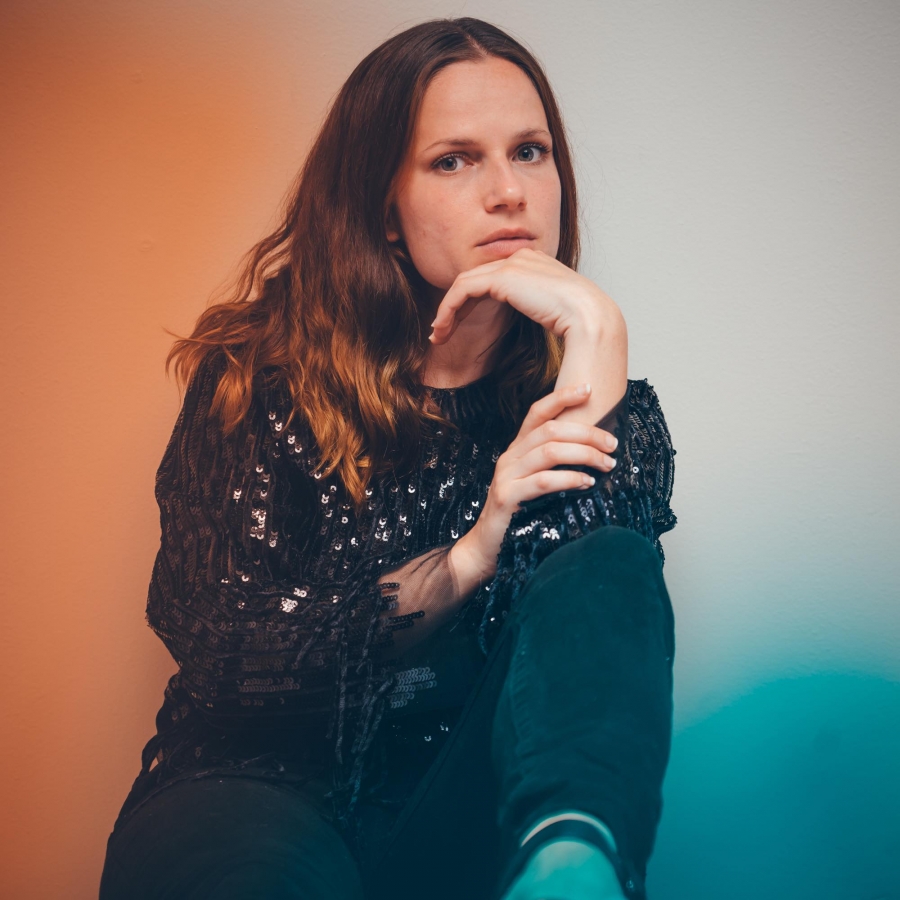
Jennifer Hall “Belonging Forever”
Jennifer Hall has released her first single of 2022, an ethereal, synth-filled, pop gem called "Belonging Forever". This is the fourth single from Hall since the release of her self-titled debut EP back in 2015.
You can catch Jennifer Hall on April 26th at Golden Dagger with Debbie-Marie Brown.
Chicago
Posted on:
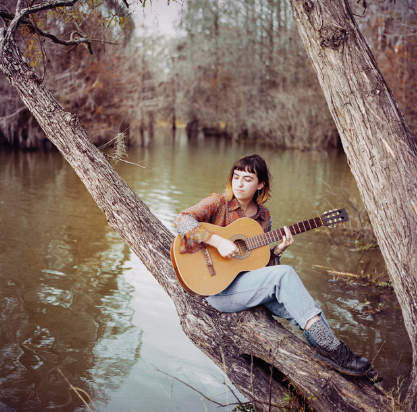
hemlock “talk soon”
Folk Pop artist hemlock (aka Carolina Chauffe) has had a pretty impressive month and a half and it has not gone unnoticed. Back on March 11th she released her debut album talk soon. The album’s lead single, "to carry", features the Houston native Laith and is accompanied by the Margo O’Connell directed video below.
She then made way down to SXSW to perform on several showcases before touring back home to Chicago to perform at the Hideout on March 23rd. Over this past weekend, April 16th, she took the stage at Golden Dagger to open for the New York based duo Babehoven.
What is remarkable to us is that this is just the start of her journey. Her songs are beautifully crafted, intimate glimpses into her life, accompanied by acoustic guitar and field recordings.
We can not wait to see what comes next for hemlock.
Chicago
Posted on:
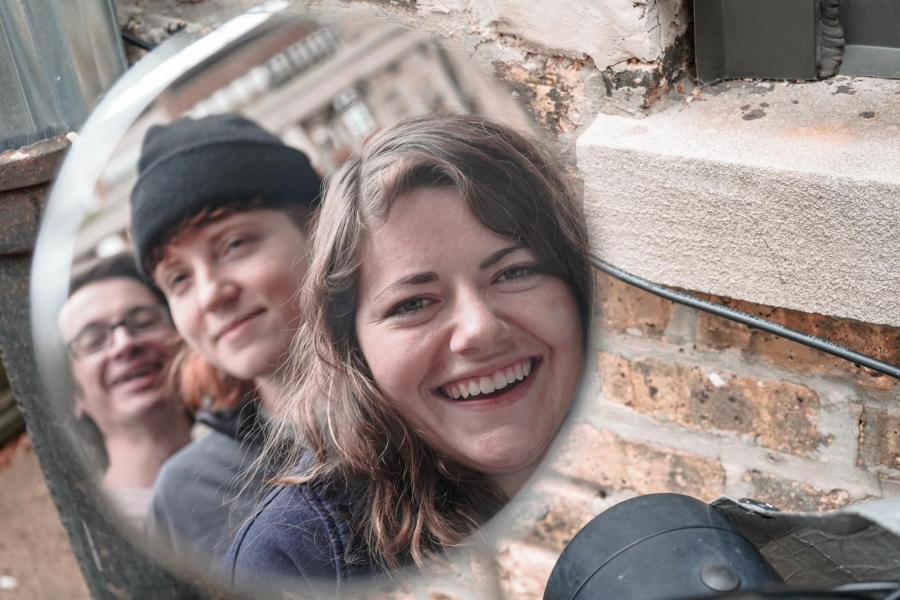
Aunt Kelly “Billboard Lady”
Coming in under two minutes, Aunt Kelly have released a new Indie Pop gem called "Billboard Lady" that you will find yourself this chorus all day.
You can catch Aunt Kelly tonight, April 15th, at GMAN Tavern with Ripley and The Dearlys.
Chicago
Posted on:
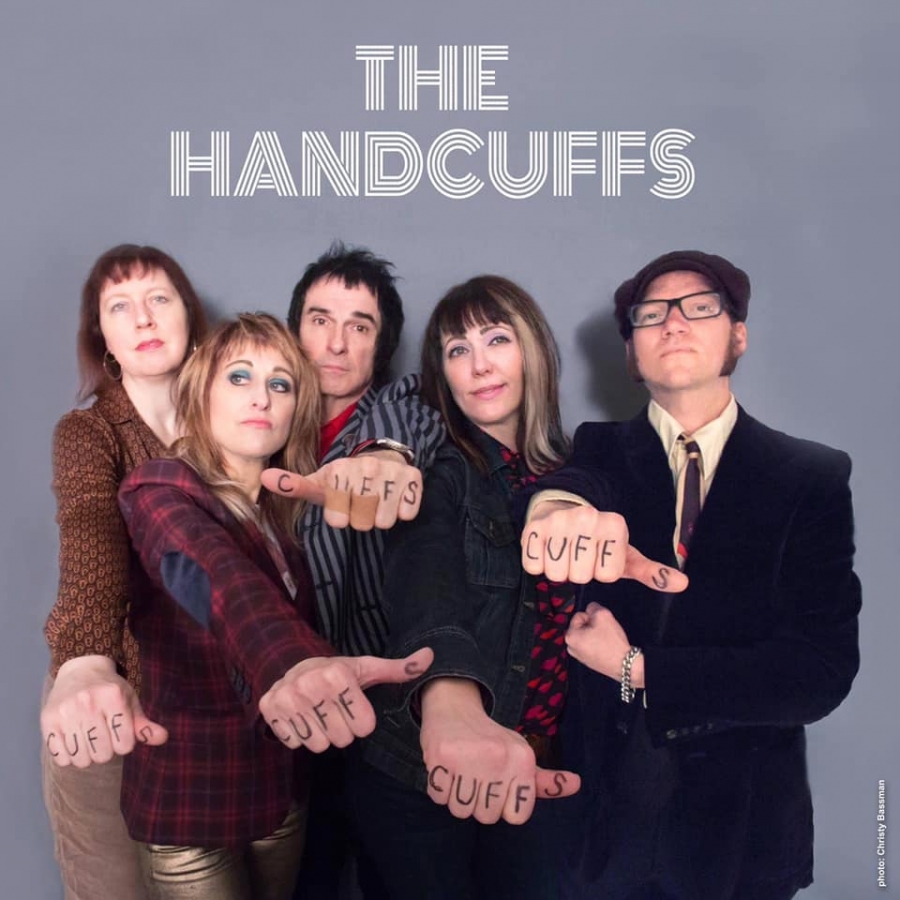
The Handcuffs “I Cry For You”
The Handcuffs have released the first single, "I Cry For You", from their forthcoming album, Burn the Rails, which is due out via Pravda Records this June.
This is the Glam Rock of Brad Elvis (drums), Chloe F. Orwell (lead vox, guitar) Emily Togni (bass), Jeffrey Kmieciak (guitar), and keyboardist Alison Hinderliter. (keys).
NYC
Posted on:
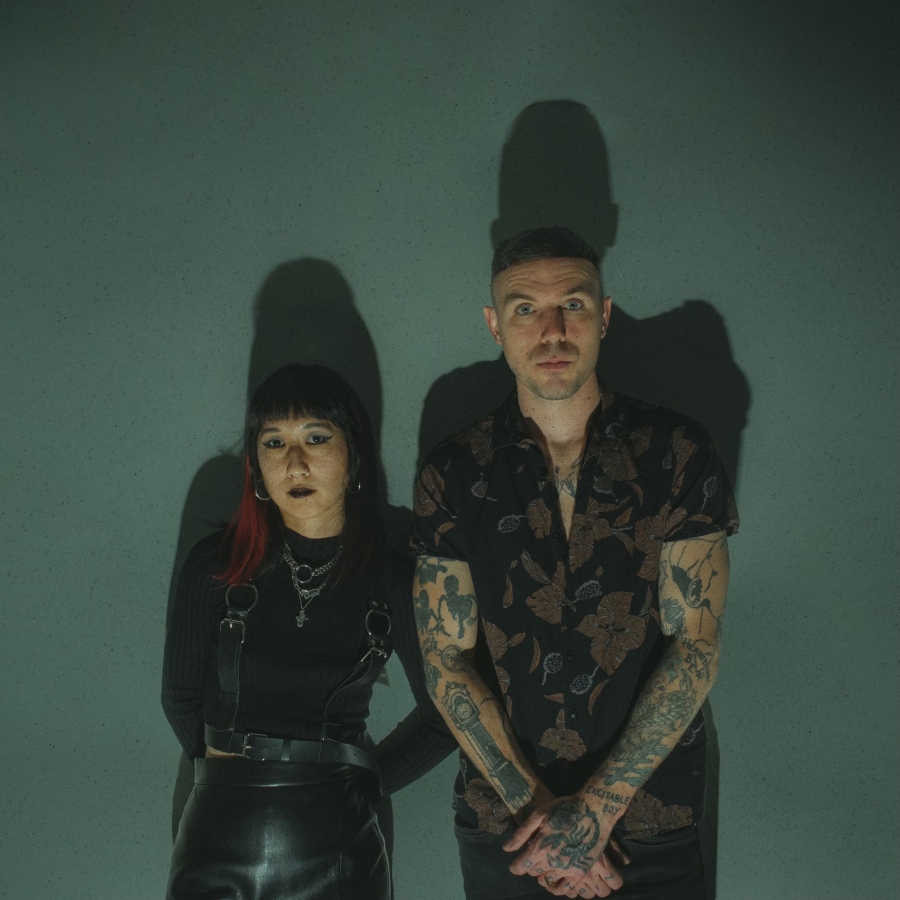
Night Sins show us how to “Kill Like I Do'”
As befitting their moniker, Night Sins make music that could easily and equally serve as the perfect soundtrack to a very good night out or a very bad night out depending on how and when the drugs kick in and by “drugs” I mean “hugs” of course (stay off the drugs, fool!) and if you’re a sucker like I am for highly-emotive-yet-emotionally-distant death disco that makes you wanna dance into the abyss and to never, never ever come back down again (as Jarvis Cocker once opined “at four o’clock [in the morning] the normal world seems very, very, very far away”) then you should take a listen to their new single “Kill Like I Do” (Born Losers), a euphoric eulogy that puts across this vibe to the extreme.
Night Sins is a project helmed by Kyle Kimball and “Kill Like I Do” is the second advance single off their upcoming fifth album Violet Age due out this summer, a single that proves you can teach an old goth band new tricks with Kimball honing his “Sisters Of Xymox meets Clan Of Mercy as fronted by Dave ‘Marty Gore’ Gahan” aesthetic and pushing it into new territory while still hitting all the sweet spots—like the driving gated-reverb drumbeat and menacing synth-bass hook, the serpentine guitar line that doesn’t skimp on the shuddering flange or the dirty distortion, and the infectious little sing-songy toy keyboard melody similar to those featured in an least half of the Cure’s song intros and some New Order ones too.
And all this before the vocals even kick in (come inside and burn this all down / spread my ashes on the ground) vocals alternating between a creepily seductive stage whisper (a crucial vocal technique for any self-respecting dark wave singer!) and a double-tracked Peter Murphy-esque baritone that sounds like Bela Lugosi’s not feeling at all well. And you may ask yourself, "Where did such a potent doomy-yet-danceable fatalism originate from?” Well, according to Night Sins’ official bio, the project emerged “around 2010 under the oppressive skies of Philadelphia…fitly connected to a city engrossed in shadow-soaked vices and dilapidated architecture” which makes me think “hmm is Philly actually the North American version of Manchester?” and I’m willing to believe it. So look out for Grand Theft Auto VI: The City of Brotherly Vehicular Manslaughter coming soon.
And when it comes to “shadow-soaked vices” Mr. Kimball has described “Kill Like I Do” as being a “metaphor for having zero self control…about not being able to stop until you’ve hit the floor” and hey I don’t wanna make too many assumptions here but it’s my guess that in his other life pounding the skins for the Philly-based shoegaze mainstay Nothing for over a decade must have taught Kyle a thing or two about this type of subject matter. Just take a gander at Nothing’s Wikipedia page or Spotify bio etc. after which you’ll likely come away saying “here is a band that has seen, and somehow survived, some seriously f*cked up dark times” which fortunately-for-us-all Nothing’s frontman Domenic "Nicky" is expert at trans-mutating into eviscerating, ethereal art…
…which Night Sins does too, but in their own form and fashion, shining an icy cold cold-wavey neon light into the darkness that, far from obliterating the gathering gloom, instead makes it sound newly romantic. (Jason Lee)
Chicago
Posted on:
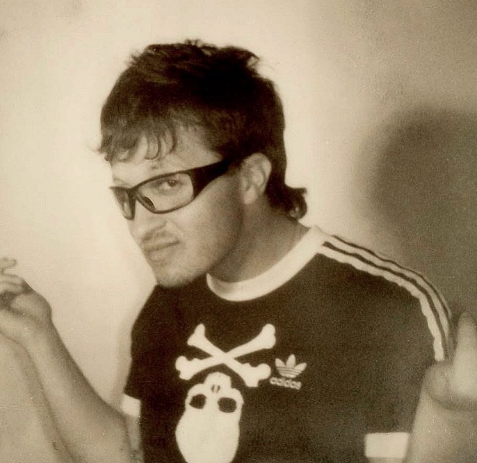
Groupthink “Guilty Pleasure”
Groupthink released visuals for his latest single "Guilty Pleasure" this week. This comes just five days after releasing the single and a steaming Joseph Morrison directed lyric video.
This single is huge leap forward for the musician that began working on this track three years ago. At the time he had very little, but is now on the verge of something huge.
Chicago
Posted on:
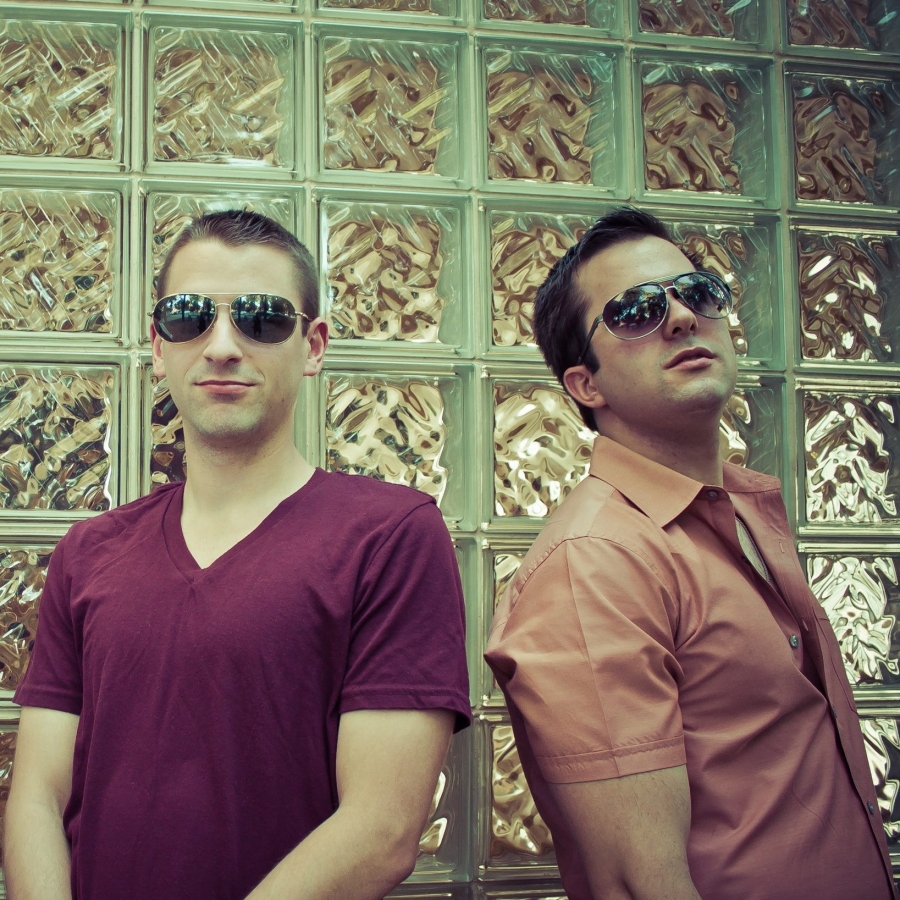
Young Swan “Who’s That?”
Young Swan recently released a new single called "Who’s That?". This is the duo of Edmund Sinnott and Daniel Laumbacher and the single is their third of 2022.
Despite comparing themselves to Justin Bieber and Nickleback the duo is well worth a listen. They do lean towards the more polished and poppy side of Rock, but have an undeniable ability to craft something catchy.